Gainswave® Therapy in Orlando, FL
Does Shockwave Therapy Hurt? What Men Should Know Before Treatment
Find out whether shockwave therapy hurts, what the treatment feels like, and what men should know before getting started.
When it comes to addressing sensitive health issues like erectile dysfunction, many men are seeking effective solutions that restore their confidence and enhance their quality of life. One of the innovative treatments gaining popularity is Gainswave® Therapy, also known as shockwave therapy. However, a common question arises: does shockwave therapy hurt? In this comprehensive article, we’ll explore what men should know about this treatment, including its efficacy, the sensation during the procedure, and important considerations before getting started.
Understanding Shockwave Therapy
Shockwave therapy is a non-invasive treatment that utilizes acoustic waves to stimulate tissue regeneration and improve blood flow. In the context of erectile dysfunction, it aims to enhance the functionality of blood vessels, promoting better erections. But how does it work, and what can patients expect during the process?
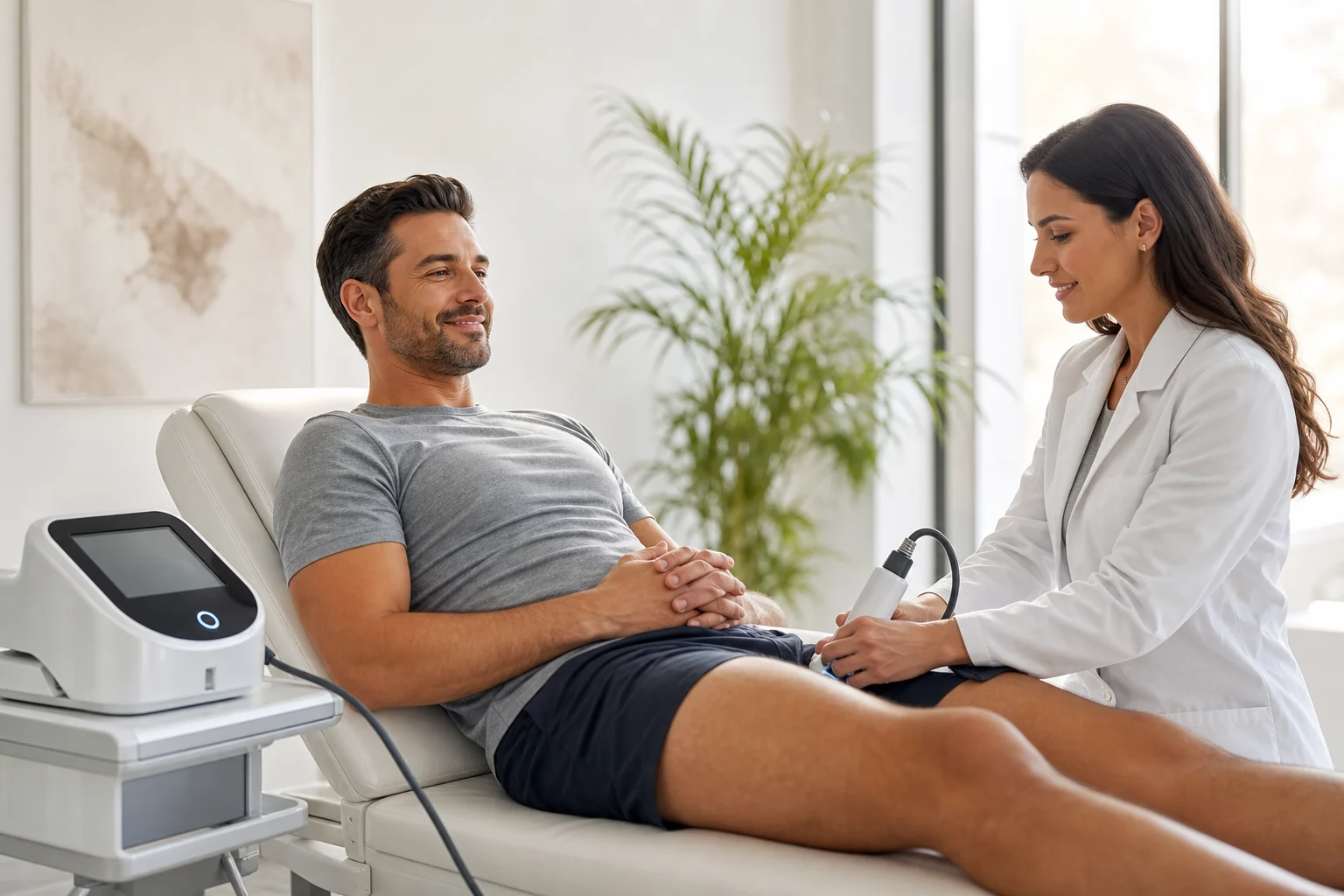
During a typical session, a handheld device emits low-intensity shockwaves to the targeted areas. These sound waves are believed to stimulate the healing process by promoting cellular repair and increasing blood circulation. This mechanism is particularly beneficial for men who may be experiencing reduced blood flow due to various underlying conditions.
Shockwave therapy has gained popularity in recent years as a treatment option for erectile dysfunction because it addresses the root causes rather than simply masking symptoms. Traditional treatments, like medications, often focus on immediate effects but do not improve the underlying vascular issues that can lead to erectile dysfunction. Shockwave therapy, on the other hand, aims to restore natural blood flow and improve the overall health of the erectile tissue.
To further understand how shockwave therapy works, it's important to look at its scientific basis. The treatment involves the application of mechanical energy to the tissue, which results in several biological effects:
- Increased Angiogenesis: Shockwave therapy promotes the formation of new blood vessels (angiogenesis) in the treated area. This is crucial for men with erectile dysfunction, as it enhances blood flow to the penis, leading to improved erectile function.
- Collagen Production: The therapy stimulates the production of collagen, a protein that plays a vital role in tissue repair and elasticity. Increased collagen can help strengthen the erectile tissue, making erections firmer and more sustainable.
- Reduction of Inflammation: Shockwave therapy has been shown to reduce inflammation in the treated areas, which can be beneficial for men dealing with chronic conditions that contribute to erectile dysfunction.
During the treatment session, patients typically lie down comfortably while the clinician applies the handheld device to the affected areas. The device emits low-intensity shockwaves that penetrate the skin and reach the underlying tissues. Most patients report feeling a mild tapping sensation, and while some may experience slight discomfort, it is generally well-tolerated. Healthcare providers often adjust the intensity of the waves according to the patient's comfort level, ensuring a personalized experience.
Each treatment session usually lasts about 15 to 30 minutes, and a typical course may involve multiple sessions spaced over several weeks. The exact number of sessions required can vary based on individual needs and the severity of the erectile dysfunction. Many patients begin to notice improvements after just a few sessions, with enhanced blood flow leading to better erectile function.
It is important for potential patients to have realistic expectations. While shockwave therapy can significantly improve erectile function, results can vary from person to person. Factors such as age, overall health, and the underlying cause of erectile dysfunction play a critical role in determining the effectiveness of the treatment. Some men may experience substantial improvements, while others may find that additional therapies are necessary to achieve their desired results.
Before undergoing shockwave therapy, it is essential to consult with a qualified healthcare professional who specializes in this treatment. During the consultation, the clinician will assess the patient's medical history, perform a physical examination, and may conduct additional tests to determine the underlying cause of erectile dysfunction. This thorough evaluation helps to tailor the treatment plan to the individual's specific needs.
Patients should be aware of any contraindications. While shockwave therapy is generally safe, it may not be suitable for individuals with certain medical conditions, such as severe cardiovascular issues or those who have recently undergone surgery in the treated area. A thorough discussion with the healthcare provider will ensure that the patient is a good candidate for this innovative therapy.
Another important consideration involves aftercare and follow-up. After a shockwave therapy session, patients are typically advised to avoid sexual activity for a short period to allow the body to heal and maximize the treatment’s benefits. Regular follow-up appointments may be recommended to monitor progress and make any necessary adjustments to the treatment plan.
Lifestyle changes can complement the effects of shockwave therapy. Adopting a healthy diet, exercising regularly, and avoiding smoking and excessive alcohol consumption can significantly enhance overall vascular health. These lifestyle modifications not only support the results of shockwave therapy but also contribute to improved sexual health and well-being in the long run.
Shockwave therapy is a promising non-invasive treatment option for men experiencing erectile dysfunction. By enhancing blood flow and promoting tissue regeneration, this therapy addresses the underlying causes of the condition rather than just masking its symptoms. With a thorough understanding of the procedure, realistic expectations, and a commitment to overall health, patients can maximize the benefits of shockwave therapy and enjoy improved sexual function.
Does Shockwave Therapy Hurt?
The concern regarding pain during shockwave therapy is quite common. Men often wonder if the treatment will be uncomfortable or if they should expect significant pain. The good news is that most patients describe the sensation during the procedure as mild to moderate discomfort rather than pain. Here’s what you might experience:
- Warmth: Many men report feeling a warm sensation in the treated area.
- Minor Discomfort: While some discomfort is normal, it’s often tolerable and short-lived.
- Sound: The device produces a noticeable sound, which can be startling but is not harmful.
To ensure a more comfortable experience, practitioners at Amore Medical often use topical anesthetics before the treatment. This can significantly reduce any sensations of discomfort, making the procedure more pleasant for the patient.
It’s important to understand that individual experiences of pain can vary significantly based on several factors, including your personal pain threshold, the area being treated, and the specific settings used on the shockwave device. Some patients may find that they are more sensitive to the sensations than others. Below, we delve deeper into what you can expect during shockwave therapy and how to manage any discomfort that may arise.
Understanding the Sensation of Shockwave Therapy
Shockwave therapy utilizes acoustic waves to stimulate healing in tissues. When the device is applied, it sends waves into the body that can feel quite different depending on the settings and the area of treatment. Here are more detailed sensations you might encounter:
- Pulsations: The therapy involves rapid pulses that may feel like a series of gentle taps or thumps. This is generally described as more of a vibration than a painful sensation.
- Pressure: Some patients report a feeling of pressure at the treatment site, which is a normal part of the therapy. This pressure is usually well-tolerated and does not indicate pain.
- Localized Tenderness: Post-treatment tenderness is possible but typically subsides within a day or two. This tenderness can actually be a positive sign that the treatment is stimulating healing processes.
Pre-Treatment Considerations for Pain Management
Before undergoing shockwave therapy, there are several steps you can take to prepare yourself for a more comfortable experience:
- Consultation: Have an open discussion with your practitioner about your pain concerns. They can provide insights based on your medical history and individual circumstances.
- Topical Anesthetics: As mentioned earlier, many clinics offer the use of topical anesthetics. Don’t hesitate to ask if this option is available to you.
- Relaxation Techniques: Try relaxation techniques such as deep breathing or visualization before and during the treatment. These methods can help to reduce anxiety and improve your overall comfort level.
- Hydration: Staying well-hydrated before your session can help your body respond better to the treatment.
Post-Treatment Expectations
After your shockwave therapy session, it’s normal to have some residual sensitivity or mild discomfort in the treated area. Here’s what you can expect:
- Immediate Effects: Most men feel a sense of relief immediately after treatment, although some may experience temporary discomfort.
- Aftercare: Your practitioner may recommend applying ice to the treatment area for short periods to minimize swelling or discomfort. Follow any aftercare instructions provided by your healthcare provider.
- Activity Restrictions: For the first 24-48 hours, it’s advisable to avoid strenuous activities that could exacerbate any post-treatment tenderness.
- Follow-Up: Schedule follow-up appointments as recommended to monitor your progress and address any ongoing discomfort.
When to Seek Help
While mild to moderate discomfort is expected, certain symptoms may warrant a conversation with your healthcare provider:
- Severe Pain: If you experience severe pain that does not subside with time or over-the-counter pain relievers, reach out to your practitioner.
- Swelling or Bruising: Mild swelling is common, but excessive swelling or bruising should be evaluated by a healthcare professional.
- Signs of Infection: If you notice increased redness, warmth, or discharge from the treatment area, seek medical advice promptly.
Real Patient Experiences
Hearing from others who have undergone shockwave therapy can help demystify the experience. Many patients share their stories of initial apprehension followed by relief:
One patient described his experience as surprisingly manageable: “I was nervous about the pain, but honestly, it felt like a strong massage. The warmth was soothing, and I left feeling optimistic about the results.” Another noted, “I was pleasantly surprised that the discomfort was minimal, and the anesthetic made a big difference.”
These testimonials highlight the importance of addressing any fears with your practitioner before treatment. Open communication can lead to a tailored approach, ensuring that your experience is as comfortable as possible.
While the question of “does shockwave therapy hurt” is valid and understandable, the majority of men find the treatment to be more of a mild annoyance than a painful experience. With the right preparation and support, you can approach your shockwave therapy with confidence and an understanding of what to expect. Your journey towards improved health and well-being is just a step away, and knowing how to manage discomfort can make all the difference.
What Men Should Know Before Treatment
Before undergoing shockwave therapy, there are several important factors men should consider:
1. Consultation is Key
Prior to treatment, it’s crucial to have a thorough consultation with a qualified medical professional. At Amore Medical, Dr. Nicole Eisenbrown and her team will assess your individual health needs, discuss your medical history, and determine if shockwave therapy is a suitable option for you. This step is vital to ensure that you receive personalized care tailored to your specific situation.
2. Understanding the Treatment Plan
Shockwave therapy typically involves a series of sessions to achieve optimal results. During your consultation, your healthcare provider will outline a treatment plan that may include:
- Number of sessions required
- Frequency of treatments
- Expected outcomes
Having a clear understanding of your treatment plan helps manage expectations and enhances your confidence in the process.
3. Post-Treatment Care
After the session, most men can resume their normal activities immediately. However, it’s essential to follow any post-treatment instructions provided by your healthcare provider. This may include avoiding strenuous activities for a short period and monitoring for any unusual symptoms.
4. Possible Side Effects
While shockwave therapy is generally considered safe, some men may experience mild side effects. These can include:
- Temporary redness or swelling in the treated area
- Minor bruising
- Discomfort that typically resolves within a few hours
Being informed about potential side effects allows you to make an educated decision regarding your treatment and understand what to expect during the recovery process.
The Benefits of Shockwave Therapy
One of the primary reasons men seek out shockwave therapy is its potential benefits. Here are some of the advantages associated with this treatment:
- Non-Invasive: Unlike surgical options, shockwave therapy does not require incisions or anesthesia, making it a less daunting choice for many.
- Minimal Downtime: Most patients can return to their daily activities immediately after the session.
- Improved Blood Flow: Enhanced circulation can lead to better erectile function and overall sexual health.
- Long-Lasting Results: Many men report sustained improvements in their erectile function for months following treatment.
Real-Life Experiences with Shockwave Therapy
Understanding the experiences of others can provide valuable insights into what to expect from shockwave therapy. Many patients at Amore Medical have shared their positive experiences:
John, a 52-year-old patient, noted that while he felt some discomfort during the procedure, it was nothing compared to the benefits he experienced afterward. “I was pleasantly surprised at how quickly I noticed improvements in my sexual health. It was a game changer for me,” he shared.
Another patient, Mark, mentioned the importance of the supportive environment at Amore Medical. “Dr. Eisenbrown made me feel comfortable and answered all my questions. The whole experience was reassuring,” he stated.
Is Shockwave Therapy Right for You?
Determining whether shockwave therapy is the right option involves evaluating your specific health situation. It’s crucial to consider factors such as:
- Your overall health and any existing medical conditions
- Your expectations from the treatment
- Previous treatments you’ve tried and their outcomes
At Amore Medical, the team is dedicated to providing personalized care. During your consultation, they will discuss your needs in detail and help you make an informed decision about your treatment options.
Start Your Journey To Wellness
Shockwave therapy represents an innovative approach to treating erectile dysfunction, offering men an effective, non-invasive solution. While the question of does shockwave therapy hurt is common, most patients find the treatment to be tolerable, especially with the support of a skilled healthcare provider. At Amore Medical, we are committed to enhancing your sexual health and overall well-being through evidence-based treatments tailored to your needs.
If you’re considering shockwave therapy or have further questions, don’t hesitate to reach out to us. Our team is here to guide you through the process and ensure you feel confident and informed every step of the way.
For more information or to schedule a consultation, please contact Amore Medical at 407-212-9532 or visit our website at amoremedicalspa.com. We are located at 106 Boston Ave, Suite 205, Altamonte Springs, FL 32701. Follow us on Facebook, Instagram, and Yelp to stay updated on our services and health tips.